

Surprising Facts About April’s Month of the Military Child
Apr 17th 2026
Behind every brave soldier, there is often a child quietly learning courage, patience, and resilience. While military service is widely recognized and honored, the lives of military children remain largely unseen.
Every April, the Month of the Military Child shines a light on these young individuals, celebrating their sacrifices, adaptability, and strength. Observed across the United States, this month is dedicated to acknowledging the unique experiences of children growing up in military families.
In this blog, we explore surprising facts about April’s Month of the Military Child that reveal how extraordinary these children truly are.
What Is the Month of the Military Child?
The Month of the Military Child was established in 1986 by the U.S. Department of Defense. Its purpose is to recognize the sacrifices and contributions of military children.
These children often experience frequent relocations, long separations from parents, and constant change. These experiences shape their character in remarkable ways.
Why April and Why Purple?
April was chosen as a time when schools and communities can actively participate in awareness efforts. One of the most recognized traditions during this month is Purple Up Day, when people wear purple to show support for military children.
Purple represents all branches of the military combined:
- Green for Army
- Blue for Navy and Air Force
- Red for Marines
Together, these colors create purple, symbolizing unity and support.
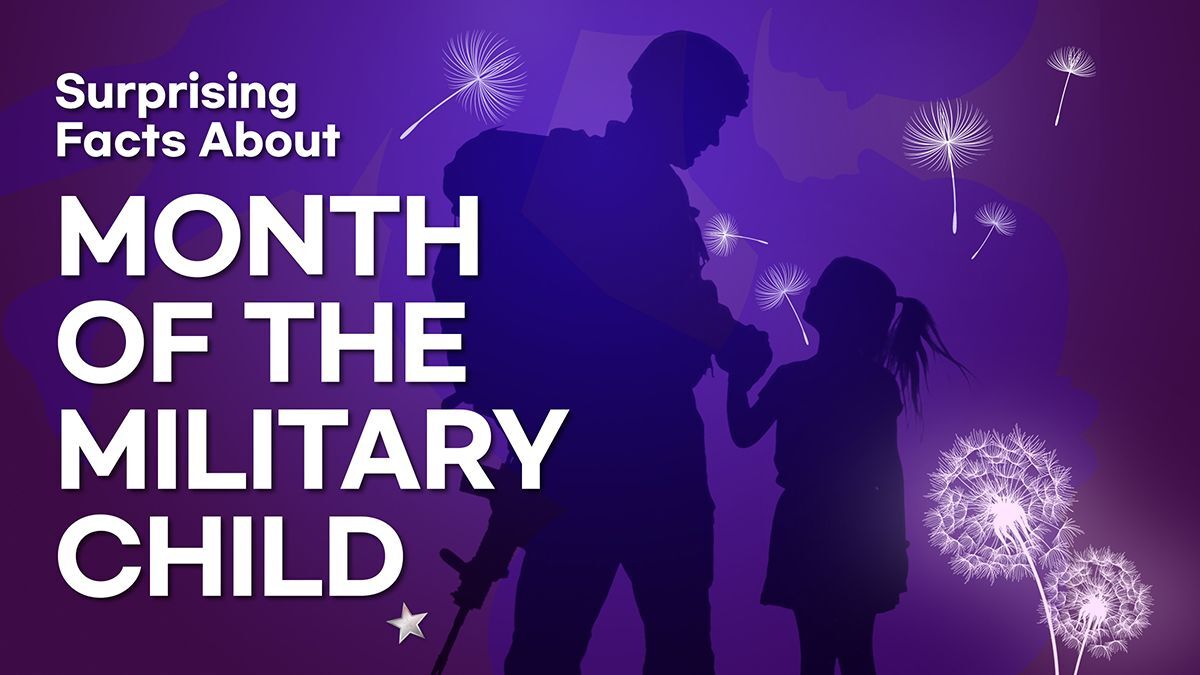
10 Surprising Facts About Military Children
1. They Move More Than Most People
Military children often move every two to three years. This means they rarely stay in one place long enough to call it permanent.
Each move requires them to leave behind friends, familiar places, and routines. Over time, this builds strong adaptability. They learn how to adjust quickly and stay open to new experiences, even when change feels overwhelming.
2. They Attend Many Different Schools
Frequent relocations mean frequent school changes. Many military children attend six to nine schools before graduating.
Each new school brings a different system, teaching style, and social environment. This can be challenging at first, but it also helps them become confident communicators who can connect with others easily.
3. They Learn Independence Early
When a parent is deployed, children often take on more responsibilities at home. They may help with chores, support siblings, or manage their emotions without constant guidance.
This early independence helps them grow into responsible individuals. However, it can also mean facing situations that require maturity at a young age.
4. Purple Represents Their Strength
Purple is the official color used to support military children. It combines the colors of all military branches, symbolizing unity.
During April, people wear purple to show appreciation. For military children, this simple act can feel powerful. It reminds them that their experiences are seen and valued.
5. They Are Known as “Dandelion Kids”
Military children are often compared to dandelions because they can grow and thrive anywhere.
No matter where they are planted, they adapt and continue to grow. This comparison reflects their ability to handle constant change while still building meaningful lives.
6. They Experience Different Cultures Early
Many military families are stationed in different parts of the world. Children may grow up in countries far from their birthplace.
This exposure helps them understand different cultures, languages, and traditions. It gives them a broader perspective and often makes them more open minded and curious about the world.
7. They Face Long Periods Without a Parent
Deployments can last several months or longer. During this time, children may not see one of their parents regularly.
They learn to stay emotionally strong while dealing with absence. Communication might be limited, which makes these periods even harder. Still, they find ways to stay connected and hopeful.
8. They Understand Sacrifice in a Unique Way
Military children learn early that sacrifice is part of life. They may miss important moments with a parent or deal with uncertainty about when they will return.
This understanding shapes their perspective. They grow up valuing time, relationships, and stability in ways many others do not fully experience.
9. They Build Strong Friendships Quickly
Because they move often, military children learn how to make friends fast. They do not wait too long to open up or connect.
These friendships may not last forever due to relocation, but they are often deep and meaningful. This ability to form strong bonds is a valuable social skill.
10. There Are Millions of Military Children
In the United States alone, there are more than 1.6 million military children. This shows how large and important this community is.
Despite their numbers, their stories are not always widely shared. Recognizing them during April helps bring attention to their experiences and contributions.
What Is the Theme for the Month of the Military Child in 2026?
There is no single universal theme officially declared for 2026 across all organizations.
Different groups create their own focus areas each year. Most themes revolve around resilience, emotional strength, and recognition. For example, organizations like the Military Child Education Coalition and Military OneSource often highlight adaptability and support systems rather than a fixed slogan.
This flexibility allows communities to create messages that feel more personal and meaningful.
Why This Month Matters
Military children grow up balancing uncertainty with strength. They adapt, adjust, and keep moving forward even when life changes suddenly.
Their stories may not always be visible, but they are powerful. Recognizing them is not just about awareness. It is about respect.
Some of the strongest people are the ones who learn to stay steady in a life that never stands still.
How You Can Support Military Children
Support does not need to be complicated. Simple actions can make a real difference.
- Welcome new students warmly
- Be patient with transitions
- Recognize their experiences
- Show appreciation during April
These small gestures can help them feel understood and supported. You can also explore support resources from organizations like National Military Family Association and Operation Homefront to better understand their needs.
During the Month of the Military Child, it’s important to recognize and support the journeys of those growing up in military families. Glendale Parade Store proudly contributes to this mission by supporting military children throughout their cadet journey. While each path is unique, Glendale stands behind students preparing for programs like JROTC by offering guidance and valuable resources through its dedicated support for cadets and their families.
Conclusion
The Month of the Military Child is more than a moment of recognition. It is a reminder of the quiet strength carried by children who grow up in a life shaped by constant change and uncertainty.
As April brings awareness, it also invites action. Even small efforts like understanding their experiences or offering support can make a difference. When we choose to recognize military children, we ensure their sacrifices are seen, their resilience is respected, and their stories are never overlooked.
FAQs
Do military children get special support?
Some schools and communities provide support programs, especially near military bases. However, the level of support can vary.
What challenges do military children face?
Military children often experience frequent relocations, parental deployments, emotional stress, and disruptions in education, all of which require strong adaptability and resilience.
What is Purple Up Day?
Purple Up Day is a day in April when people wear purple to show support and appreciation for military children and their unique experiences.