 Shop Military & Cadets
 Shop First responders
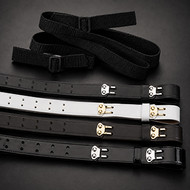
How to Choose the Right Rifle Sling for Drill and Honor Guard
Aug 27th 2026
Selecting the right rifle sling is about more than finding one that fits your replica rifle. The sling affects how comfortably you carry the rifle, how securely it stays in place during ceremonies, and whether your equipment meets your unit's appearance standards.
Choosing the wrong sling can result in poor compatibility, inconsistent uniformity across a drill team, or unnecessary wear on both the sling and the rifle.
Knowing how to choose a rifle sling helps cadets, honor guard members, JROTC units, and ceremonial organizations select equipment that matches their rifle model, intended use, and inspection requirements.
This guide explains the different sling types, how to match them to replica rifles, the features that matter most, and how to maintain them for years of ceremonial service.
What is a Drill Rifle Sling and Why It Matters
A drill rifle sling is a carrying strap designed for ceremonial and parade rifles rather than field use. While functional military slings are often intended to assist with shooting stability, drill and honor guard slings primarily support ceremonial carry positions, uniform appearance, and secure handling during inspections, parades, color guards, and military funerals.
For drill teams and honor guards, every member's equipment should present a consistent, professional appearance. A properly fitted sling helps:
- Maintain a uniform look across the formation.
- Keep the rifle secure during ceremonial movements.
- Reduce unnecessary movement while marching.
- Protect the rifle from accidental drops during transport.
Many military ceremonial units and cadet programs follow appearance standards established by their organization or service branch.
While individual units may have specific equipment requirements, official drill publications such as the U.S. Army's Training Circular 3-21.5, Drill and Ceremonies, emphasize disciplined appearance and uniformity during ceremonial events.
Types of Rifle Slings for Drill and Honor Guard
Not every rifle sling is designed for ceremonial use. The best choice depends on your rifle model, unit standards, and the type of events you participate in.
Web Rifle Slings
Heavy-duty web slings are among the most common options for JROTC, ROTC, and drill teams. Made from tightly woven cotton or synthetic webbing, they provide durability while maintaining a clean, uniform appearance.
Web slings are well suited for organizations that practice regularly because they resist stretching and generally require less maintenance than leather. If your unit prioritizes durability and everyday training, Heavy Web Rifle Slings are often an excellent choice for frequent ceremonial use.
Leather Rifle Slings
Leather slings offer a traditional appearance that complements many ceremonial rifles used in honor guards and military displays. High-quality leather develops character over time while maintaining the formal look expected during official ceremonies.
Because leather requires periodic conditioning to prevent drying and cracking, it is often selected by ceremonial units that place greater emphasis on presentation than daily practice.
For ceremonies where a classic military appearance is preferred, Leather Rifle Slings provide an authentic option for many replica rifles.
Slings Designed for Specific Replica Rifles
Although some products fit multiple rifles, not every sling is universally compatible. Replica rifles vary in sling swivel dimensions, mounting hardware, and stock design.
If your organization uses multiple rifle models, a Universal Rifle Sling can simplify purchasing while maintaining compatibility across different ceremonial rifles. However, whenever possible, selecting a sling designed specifically for your rifle model provides the best fit and appearance.
Key Factors When Choosing a Rifle Sling
Choosing the right rifle sling comes down to a few practical factors that affect compatibility, comfort, durability, and your unit's overall appearance.
Confirm Rifle Compatibility First
Before considering materials or appearance, verify that the sling is compatible with your rifle's sling swivels.
Important factors include:
- Swivel opening size
- Attachment hardware
- Overall sling width
- Compatibility with your specific replica rifle
Choosing a sling designed for the correct rifle reduces installation problems and helps prevent unnecessary wear on the rifle's hardware.
Choose the Right Length and Adjustability
A properly adjusted sling should allow the rifle to rest comfortably in approved carry positions without excessive slack.
Adjustability is especially important for:
- Drill teams with multiple users
- JROTC programs sharing equipment
- Honor guards performing extended ceremonies
An adjustable sling also makes it easier to maintain consistent rifle positioning across every member of a formation.
Consider Material Durability
Choose the sling material based on how it will be used. Heavy-duty web slings are durable and low-maintenance, making them ideal for frequent training, while leather slings provide a traditional ceremonial appearance but require regular care. Always check your unit's equipment requirements before making a selection.
Match the Sling to Your Uniform
Appearance matters during ceremonial events. Many units prefer sling colors and hardware finishes that complement their uniforms and replica rifles rather than drawing attention away from the formation.
Consistency across the entire team often matters more than individual preference. Before purchasing, confirm whether your organization specifies particular sling materials, colors, or hardware finishes as part of its ceremonial equipment standards.
Matching the Sling to Your Rifle Model
One of the most common purchasing mistakes is assuming every rifle sling fits every ceremonial rifle. While some slings are designed for broad compatibility, others are engineered specifically for certain replica models.
For example:
- M1 Garand replica rifles often require sling dimensions that differ from other ceremonial rifles.
- M1903 Springfield replicas may use different sling hardware depending on the manufacturer.
- Mark 1 parade rifles perform best with slings designed specifically for their mounting configuration.
If your unit uses Mark 1 ceremonial rifles, selecting Mark 1 Rifle Slings helps ensure proper fit, secure attachment, and a consistent appearance during inspections and ceremonies.
Consider Branch and Unit Requirements
There is no single rifle sling standard that applies across every military branch, JROTC program, or ceremonial organization. Instead, equipment requirements are typically established by the service, academy, unit, or drill competition. Before purchasing, confirm whether your organization specifies a particular sling material, color, hardware finish, or rifle model.
For example, many Air Force and Space Force Honor Guard units use ceremonial equipment that differs from Army, Navy, Marine Corps, or Coast Guard honor guards.
JROTC and ROTC programs may also adopt equipment standards based on their sponsoring branch or school requirements. Checking these specifications beforehand helps avoid purchasing slings that don't match your unit's expectations.
How to Properly Attach and Adjust a Rifle Sling
A properly installed sling should remain secure throughout marching, inspections, and ceremonial movements without twisting or excessive movement.
When installing a rifle sling:
- Verify that the sling is designed for your rifle model.
- Attach the sling securely to both sling swivels.
- Adjust the length so the rifle hangs evenly in the required carry position.
- Tighten all keepers or adjustment hardware before use.
- Test the sling during practice before using it in a ceremony.
Avoid making last-minute adjustments immediately before an event. Taking time to fit the sling correctly improves comfort and helps maintain a consistent appearance across the entire formation.
Caring for Your Rifle Sling
Routine maintenance extends the life of a rifle sling and preserves its professional appearance.
Web Sling Care
Web slings require minimal maintenance but should still be inspected regularly.
- Remove dust and dirt with a soft brush or damp cloth.
- Allow the sling to air dry completely if it becomes wet.
- Store it in a cool, dry location away from prolonged moisture.
- Inspect stitching and hardware periodically for signs of wear.
Leather Sling Care
Leather slings require additional care to prevent drying and cracking.
- Wipe away dust after ceremonies.
- Apply a quality leather conditioner occasionally according to the manufacturer's recommendations.
- Store the sling flat or loosely hung in a dry environment.
- Avoid prolonged exposure to direct sunlight or excessive humidity.
Proper storage helps maintain both the appearance and durability of leather for years of ceremonial use.
Buying Rifle Slings for JROTC, ROTC, and Honor Guard Units
Organizations purchasing multiple rifle slings should prioritize consistency as much as durability. Using the same sling style across an entire unit creates a professional appearance during inspections, competitions, parades, and color guard ceremonies.
When buying in bulk, consider:
- Compatibility with every rifle model in your inventory.
- Uniform material and hardware finish.
- Durability for frequent training.
- Easy replacement if additional slings are needed later.
Selecting standardized equipment also simplifies maintenance and ensures new members receive gear that matches the rest of the team.
Common Mistakes to Avoid
Even a high-quality rifle sling may not perform well if it isn't the right choice for your rifle or ceremonial needs. Before purchasing, avoid these common mistakes:
- Buying a sling without confirming rifle compatibility.
- Choosing appearance over durability for daily training.
- Ignoring your unit's equipment requirements.
- Selecting a non-adjustable sling when multiple users share rifles.
- Neglecting regular cleaning and inspections.
Taking a few minutes to verify these details can prevent unnecessary replacements and help maintain a professional appearance throughout years of service.
Conclusion
Choosing the right rifle sling comes down to compatibility, durability, adjustability, and your organization's ceremonial standards. Whether you're equipping a single honor guard rifle or an entire JROTC unit, selecting the appropriate sling helps ensure safe handling, a uniform appearance, and reliable performance during every ceremony.
Equip your drill team or honor guard with rifle slings built for ceremonial excellence. Explore Glendale's complete collection of replica rifle slings to find web, leather, universal, and model-specific options designed for reliable performance and a professional military appearance.
Frequently Asked Questions
What size sling do I need for my drill rifle?
A standard drill rifle sling is 1-1/4 inches wide and 44 inches long. This size fits most ceremonial parade rifles and standard swivel openings. However, the correct size depends on your replica rifle model and its sling swivel dimensions. Always verify compatibility with the manufacturer's specifications before purchasing rather than assuming one size fits every rifle.
Is a web sling or leather sling better for honor guard use?
Neither is universally better. Web slings are generally preferred for frequent training because they are durable and require less maintenance. Leather slings are often chosen for formal ceremonies where a traditional appearance is desired.
Can one sling fit multiple types of replica rifles?
Some universal rifle slings are designed to fit multiple replica rifle models. However, model-specific slings usually provide the most secure fit and the most authentic appearance.
How often should a rifle sling be replaced?
Replace a rifle sling if it shows cracked leather, frayed webbing, damaged stitching, bent hardware, or no longer holds proper adjustment. Regular inspections help identify wear before it affects ceremonial use or safety.