 Shop Military & Cadets
 Shop First responders
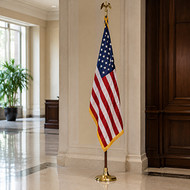
How to Set Up a Floor Stand for Indoor Flag Display
Jul 20th 2026
A well-designed floor flag stand does more than support a flag; it presents it with the dignity and respect it deserves. Whether you're displaying the American flag in a government office, school, church, corporate lobby, veterans' organization, or ceremonial space, proper setup ensures stability, safety, and compliance with established flag etiquette.
This guide explains how to choose the right stand, assemble it correctly, position your flag for an appropriate display, and maintain your equipment for years of professional use. You'll also learn common setup mistakes to avoid and how to select an American flag floor stand or indoor floor standing flag display that suits your space.
What Is a Floor Stand for Indoor Flag Displays?
A floor stand is a freestanding base designed to support one or more indoor flagpoles. Unlike outdoor flagpoles that must withstand wind and weather, indoor floor stands prioritize stability, appearance, and ease of use.
They're commonly used in:
- Government offices and courthouses
- Military installations and veterans' organizations
- Schools, colleges, and ROTC programs
- Churches and community centers
- Corporate headquarters
- Museums and memorial halls
A complete display typically includes a weighted base, display pole, finial, mounting hardware, and an indoor ceremonial flag. Choosing compatible components helps ensure the flag hangs correctly and remains secure.
If you're selecting accessories for ceremonial displays, Glendale's Flags Collection offers indoor display flags, poles, and presentation equipment designed to work together for a cohesive appearance.
Components of an Indoor Flag Stand Setup
Understanding each component makes selecting and assembling a floor flag stand much easier.
Floor Stand Base
The base supports the weight of the pole and flag. Heavier cast-metal bases are generally preferred because they provide greater stability and reduce the risk of tipping in high-traffic areas.
Flagpole or Display Pole
Indoor flagpoles are commonly made from hardwood, aluminum, or fiberglass. Wood offers a traditional ceremonial appearance, while aluminum provides excellent durability with less weight. The pole height should be proportional to both the flag size and the ceiling height.
Flag Mounting Hardware
Mounting rings, pole sleeves, or flag snaps keep the flag securely attached and prevent twisting. Quality hardware also reduces unnecessary wear on the fabric.
Finials and Decorative Toppers
The finial is mounted at the top of the pole and completes the display. Eagles, spears, and other decorative toppers are commonly used depending on military traditions, organizational standards, or personal preference.
Indoor Display Flags
Indoor flags differ from outdoor flags by using pole sleeves, decorative fringe, and premium fabrics intended for ceremonial settings rather than exposure to weather.
Choosing the Right Floor Stand for Your Flag Display
Not every stand is suitable for every environment. Consider the following before purchasing.
Single Pole Floor Stands
A single-pole stand is ideal for displaying one American, military, state, or organizational flag. These stands work well in executive offices, reception areas, classrooms, and memorial spaces.
Multi-Pole Floor Stands
If multiple flags will be displayed together, choose a stand specifically designed for multiple poles. These are commonly used in government buildings, schools, military facilities, and conference rooms.
When displaying more than one flag, always follow proper flag precedence. The American flag should occupy the position of honor. Glendale's American Flag Etiquette guide explains these display rules in greater detail.
Weighted Bases for Stability
Base weight should match the height of the pole and size of the flag. Taller poles require heavier bases to prevent wobbling or tipping.
For organizations that frequently move displays between ceremonies and events, choosing a durable weighted base provides better long-term stability than lightweight alternatives.
Matching Stand Materials to Interior Décor
Brass, chrome, hardwood, and black finishes are all common choices. Select a finish that complements the room while allowing the flag to remain the focal point of the display.
Preparing the Display Area
A carefully selected location improves both visibility and safety.
Selecting the Ideal Indoor Location
Choose a prominent area where the display can be easily viewed without obstructing walkways. Reception areas, auditoriums, meeting rooms, courtrooms, and entrances are common locations.
Avoid placing the stand directly beside frequently used doors or HVAC vents that may cause unnecessary movement.
Measuring Ceiling Clearance
Before assembling the pole, measure the distance from the floor to the ceiling. Include the height of the base, pole, and finial to ensure adequate clearance. This simple step helps prevent contact with ceiling fans, lighting fixtures, or decorative beams.
Ensuring Floor Stability and Safety
Position the stand on a level surface. If placed on thick carpet or uneven flooring, verify that the base sits flat before installing the pole. After assembly, gently test the stand to confirm it remains stable without rocking.
How to Assemble an Indoor Flag Floor Stand
Correct assembly protects both the equipment and the flag.
Positioning the Base
Place the base in its final location before assembling the pole. Moving a fully assembled display increases the risk of tipping or damaging the flag.
Assembling the Flagpole Sections
Join each section securely according to the manufacturer's instructions. Confirm every connection is tight before attaching the flag.
Attaching the Finial
Install the finial firmly at the top of the pole. Whether using an eagle or spear ornament, it should remain centered and secure throughout the display.
Securing the Flag to the Pole
Attach the flag using the supplied hardware, ensuring it hangs naturally without twisting. Indoor ceremonial flags should drape freely and remain free from wrinkles whenever possible.
Inserting the Pole into the Stand
Carefully lower the completed pole into the base and secure any locking mechanism. Step back and verify the pole is perfectly vertical before finalizing the installation.
Proper Flag Placement and Display Guidelines
A properly assembled floor flag stand should also follow recognized U.S. flag display practices. Correct placement demonstrates respect for the flag and creates a balanced, professional presentation.
Displaying a Single Flag
When displaying only the American flag, place it in a prominent location where it is clearly visible and free from obstructions. The union (blue field with stars) should always appear in the proper position as outlined in the U.S. Flag Code.
To learn more about the history and significance behind these traditions, read Glendale's The American Flag's Legacy: Symbolism, Etiquette, and the 250th Anniversary.
Arranging Multiple Flags
When displaying multiple flags, use poles of equal height and maintain consistent spacing so each flag hangs freely. Avoid placing poles too close together, as crowded displays can appear unbalanced and cause the flags to overlap.
Positioning National, State, and Organizational Flags
If the American flag is displayed with state, military, or organizational flags, it should always occupy the position of honor. Following proper flag precedence ensures your display aligns with established ceremonial practices.
Maintaining Proper Flag Height and Alignment
Once installed, periodically check that the pole remains straight and the flag hangs evenly. A leaning pole or twisted flag can detract from an otherwise professional display.
Common Mistakes to Avoid When Setting Up a Floor Flag Stand
Avoiding a few simple mistakes helps protect both the stand and the flag.
Using an Unstable Base
A base that is too light for the pole height can tip easily. Choose a properly weighted stand for better stability.
Incorrect Flag Orientation
Always check that the union faces the correct direction before securing the flag.
Overcrowding Multiple Flags
Too many flags in one space can make the display look cluttered. Use a stand designed for the number of flags you plan to display.
Ignoring Ceiling Height Restrictions
Measure ceiling height before buying a pole. Decorative finials add height, so make sure there is enough clearance.
Indoor Flag Display Ideas for Different Settings
An indoor floor standing flag creates a formal, welcoming atmosphere in many environments.
- Corporate Offices: Display the American flag in reception areas, executive offices, or boardrooms alongside a company or state flag.
- Government Buildings: Multi-pole displays are commonly used in courthouses, municipal offices, and legislative chambers.
- Schools and Universities: Indoor flags support graduations, assemblies, civic education, and ROTC or JROTC ceremonies.
- Churches and Community Centers: Flags are often displayed during memorial services, patriotic observances, and community events.
- Trade Shows and Event Venues: Floor flag stands provide a professional way to identify organizations without requiring permanent installations.
Maintaining Your Indoor Flag Stand and Display
Regular maintenance preserves the appearance and stability of your display.
Cleaning the Flagpole and Base
Dust the pole and base regularly with a soft cloth. Metal finishes may occasionally require polishing, while painted or powder-coated finishes typically need only mild cleaning.
Preventing Wear on Indoor Flags
Store indoor flags in a clean, dry location when not in use. Keeping them away from prolonged sunlight helps preserve fabric strength and color.
Inspecting Hardware and Connections
Periodically inspect the base, pole joints, finial, and mounting hardware for loose connections or signs of wear. Replacing worn components early helps prevent damage to the flag.
When to Replace or Upgrade Your Floor Stand
Replace a floor flag stand if it becomes unstable, develops structural damage, or no longer supports your display needs. Organizations often upgrade when expanding from a single flag to a multi-flag display or when replacing worn ceremonial equipment.
Investing in a high-quality stand protects your flag while ensuring it continues to be displayed with the dignity it deserves.
Conclusion
A properly selected and assembled floor flag stand provides more than stability; it ensures the American flag or organizational flag is displayed with respect, professionalism, and lasting durability. By choosing the right stand, following proper assembly steps, and observing recognized flag etiquette, you can create an indoor display suitable for offices, schools, government buildings, memorials, and ceremonial spaces.
For more than 75 years, Glendale Parade Store has supplied military organizations, veterans' groups, schools, government agencies, and civic institutions with premium flags, flagpoles, stands, and ceremonial accessories.
Whether you need a single American flag floor stand or a complete indoor floor standing flag display, Glendale offers dependable products built for professional presentation. Explore Glendale's Flag Stands collection to find the right solution for your indoor display.
Frequently Asked Questions
What type of floor stand is best for indoor flag displays?
A weighted metal stand is the best choice for most indoor displays because it provides stability and supports both single- and multi-pole configurations.
How heavy should a floor stand base be for stability?
For typical indoor and hard-floor flag setups, base weights generally fall between 8 and 22 lbs. The optimal weight is determined by the height of the pole and the size of the flag, with taller poles and larger ceremonial flags needing heavier bases to stay stable.
Can multiple flags be displayed on one floor stand?
Yes. Multi-pole floor stands are designed to display several flags while maintaining proper spacing and flag precedence.
How high should an indoor flagpole be?
Most indoor flagpoles range from 7 to 9 feet, depending on ceiling height and the size of the flag being displayed.
Where is the best location for an indoor flag display?
Place the display in a prominent, low-traffic area such as a lobby, conference room, courtroom, auditorium, or reception area where the flag can be viewed clearly and safely.