 Shop Military & Cadets
 Shop First responders
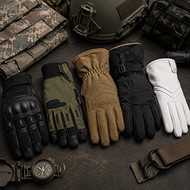
Military Gloves Buying Guide: Which Type Is Right for Your Role?
Jul 17th 2026
Choosing the right military gloves is about more than protecting your hands. The wrong pair can reduce grip, limit dexterity, or make it harder to safely handle weapons, tools, and equipment. Whether you're serving in the military, participating in ROTC or JROTC, supporting an honor guard, or preparing for ceremonial duties, understanding how different gloves are designed helps you select the right protection for your role.
This guide explains the different types of military gloves, the features that matter most, and how to choose a pair that meets your operational or ceremonial requirements.
What Are Military Gloves and Why Are They Important?
Military gloves are purpose-built hand protection designed to improve safety, grip, and dexterity across a wide range of military and tactical applications.
Depending on the mission, gloves may protect against abrasions, impact, extreme temperatures, flames, or environmental hazards while allowing users to maintain control of weapons, tools, and equipment.
For ceremonial units and honor guards, appearance and proper uniform standards are equally important. White military gloves, for example, create a polished, professional presentation during inspections, parades, and official ceremonies.
Key Factors to Consider When Choosing Military Gloves
Protection and Safety Features
The level of protection should match the intended task. Combat personnel may require reinforced palms, cut-resistant fabrics, or flame-resistant materials, while mechanics often benefit from padded palms and abrasion-resistant construction.
Dexterity and Trigger Control
A glove should protect your hands without limiting finger movement. Excessively bulky gloves can reduce trigger control, equipment handling, and fine motor skills, particularly during precision tasks.
Grip Performance in Different Conditions
Textured palms made from synthetic leather or rubberized materials improve grip in wet, dusty, or oily environments, helping reduce hand fatigue during prolonged use.
Material Construction and Durability
The materials used determine how a glove performs over time.
- Leather offers excellent durability and conforms to the user's hand with repeated wear.
- Synthetic leather provides flexibility, lighter weight, and quicker drying.
- Nomex® is widely used for flame-resistant gloves because it maintains its protective properties under high heat.
- Kevlar® provides excellent cut and abrasion resistance while remaining relatively lightweight.
Well-constructed gloves also feature double stitching and reinforced stress points to withstand repeated field use.
Weather and Environmental Resistance
Cold-weather gloves include insulated liners to retain warmth, while gloves designed for hot climates emphasize breathability and moisture management. Selecting gloves suited to the environment improves both comfort and performance.
Comfort, Fit, and Sizing
Properly fitted gloves allow natural hand movement without restricting circulation. Gloves that are too loose reduce control, while overly tight gloves can lead to discomfort during extended wear.
Types of Military Gloves and Their Applications
Tactical Gloves for General Operations
Designed for everyday military and law enforcement use, tactical gloves balance protection, flexibility, and grip. They are well-suited for training, patrols, and general field operations.
Shooting Gloves for Precision and Weapon Handling
Shooting gloves feature thin, flexible fingertips that preserve trigger sensitivity while protecting the hands during extended range sessions or operational use.
Hard Knuckle Gloves for Impact Protection
These gloves include reinforced knuckle guards that help shield the hands from impacts encountered during tactical operations or vehicle extractions.
Flame-Resistant Military Gloves for High-Risk Environments
Constructed with flame-resistant materials such as Nomex®, these gloves help reduce burn injuries in environments where personnel may be exposed to flash fires or high heat.
Cold Weather Military Gloves for Extreme Temperatures
Insulated gloves help maintain dexterity in freezing conditions while protecting against frostbite and prolonged cold exposure.
Mechanic and Maintenance Gloves for Technical Tasks
Maintenance personnel often require gloves with enhanced grip, abrasion resistance, and flexibility for handling tools, vehicle components, and aircraft equipment.
If you're assembling a complete ceremonial uniform, Glendale also offers a selection of Parade Essentials to complement gloves and other inspection-ready accessories.
How to Choose the Right Military Gloves for Your Role
Different military responsibilities require different glove characteristics.
Infantry and Combat Personnel
Combat personnel typically benefit from tactical gloves that balance durability, dexterity, and protection. Reinforced palms, abrasion-resistant materials, and secure wrist closures help withstand extended field operations while maintaining a reliable grip on weapons and equipment.
Special Operations Forces
Special operations missions often require greater precision and adaptability. Lightweight gloves with flexible materials, low-profile padding, and excellent tactile sensitivity allow operators to handle communications equipment, climbing gear, and firearms without sacrificing control.
Military Police and Security Teams
Military police and security personnel frequently transition between vehicle operations, patrol duties, searches, and weapon handling. Gloves should provide reliable grip, moderate protection, and enough flexibility for writing, operating radios, and conducting inspections without frequent removal.
Vehicle Crews and Aviation Personnel
Personnel working around armored vehicles or aircraft often prioritize flame-resistant gloves because of the increased risk of heat and flash-fire exposure. Gloves should also provide a secure grip on controls while remaining comfortable during extended periods of wear.
Marksmen and Snipers
Precision shooters depend on consistent trigger control. Gloves with thin fingertips, minimal bulk, and excellent tactile feedback help maintain accuracy while protecting hands from friction during prolonged training or operational use.
Mechanics and Maintenance Technicians
Maintenance personnel need gloves that resist abrasion, oil, and repeated tool use. Flexible materials, reinforced palms, and durable stitching allow technicians to work with small components while reducing hand fatigue throughout long maintenance shifts.
Common Mistakes to Avoid When Buying Military Gloves
One of the most common mistakes is choosing the wrong size. Poorly fitted gloves reduce comfort, dexterity, and overall effectiveness.
Another frequent error is prioritizing maximum protection without considering mobility. Gloves should provide the right balance between safety and hand function for the intended task.
Buyers should also consider environmental conditions. Gloves designed for cold weather may become uncomfortable in hot climates, while lightweight gloves may provide insufficient protection in hazardous environments.
Finally, pay attention to stitching quality, reinforced wear points, and material construction. High-quality military gloves generally last longer under demanding conditions and maintain consistent performance over time.
Essential Features Found in High-Quality Military Gloves
Before you buy military gloves, evaluate the overall construction instead of focusing on a single feature. Look for:
- Reinforced palms and fingertips
- Secure wrist closures
- Durable stitching
- Breathable materials
- Reliable grip surfaces
- Mission-specific protection such as flame resistance or impact guards
- Proper sizing for extended comfort
Quality construction not only improves durability but also supports consistent performance throughout training, field operations, and ceremonial events.
Conclusion
The best military gloves are those that match your specific role, environment, and operational requirements. Whether you need tactical gloves for field operations, flame-resistant protection for high-risk duties, or white gloves for ceremonial service, selecting the right materials, fit, and protective features helps improve both performance and safety.
Glendale Parade Store offers military-quality gloves and ceremonial uniform accessories trusted by military organizations, honor guards, ROTC programs, schools, and veterans' organizations. Explore Glendale's collection of Military Gloves and Uniform Accessories to find options designed for professional appearance, durability, and dependable performance.
Frequently Asked Questions
What are the best military gloves for combat and field operations?
For general field operations, tactical gloves that combine reinforced palms, durable construction, dependable grip, and good dexterity are typically the best choice. The ideal glove depends on the environment and mission requirements.
How should military gloves fit for maximum performance?
Military gloves should fit snugly without restricting movement. Your fingertips should reach the ends of the gloves without excess material, allowing precise weapon handling and equipment operation.
Are hard knuckle gloves necessary for tactical use?
Not in every situation. Hard knuckle gloves are most useful where impact hazards are common, such as tactical entry or vehicle operations. For many training and general field tasks, lightweight tactical gloves provide sufficient protection.
What materials make military gloves more durable?
Leather, synthetic leather, Kevlar®, and Nomex® are among the most common materials used in military gloves. Each offers different advantages, including abrasion resistance, flexibility, flame resistance, or long-term durability.
Can military gloves be used in extreme cold weather conditions?
Yes. Cold-weather military gloves are designed with insulated liners and weather-resistant materials to help maintain warmth while preserving sufficient dexterity to operate equipment safely.