 Shop Military & Cadets
 Shop First responders
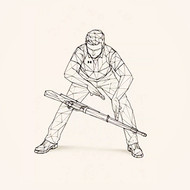
Common Exhibition Drill Tricks: Every Drill Team Should Know
Aug 25th 2026
Exhibition drill is where discipline meets flair. While regulation drill focuses on strict military precision and uniformity, exhibition drill gives cadets and drill teams room to showcase individual skill through rifle spins, tosses, and choreographed routines.
Whether you're a JROTC cadet preparing for your first competition or a seasoned drill team member refining advanced maneuvers, learning these tricks the right way matters just as much as learning them at all.
This guide walks through the essential tricks every drill team should know, from foundational spins to advanced team sequences, along with the safety practices and equipment choices that support consistent improvement over time.
What Is Exhibition Drill?
Exhibition drill is a performance-based form of military drill that features choreographed rifle spins, tosses, and precision movements. Unlike regulation drill, which follows standardized commands and formations, exhibition drill emphasizes creativity, timing, coordination, and technical skill.
It is commonly performed by JROTC and ROTC drill teams, high school drill teams, and military ceremonial units during competitions, parades, school events, and community demonstrations. Regardless of the setting, success relies on consistent practice, control, and teamwork.
Essential Safety Before Learning Drill Tricks
Before any cadet attempts a spin or toss, safety needs to come first. Exhibition drill tricks involve fast-moving equipment at close range, and the right preparation reduces injury risk from day one.
Choose the Right Equipment
Using a replica drill rifle designed for exhibition work, rather than a functional firearm, is standard practice and essential for safety. It gives cadets realistic weight and balance without the risks of a live weapon.
Teams should also practice in an open, obstacle-free area with enough overhead clearance for tosses. Beginners in particular benefit from wearing gloves or wrist supports while learning grip control.
Warm Up Properly
Cold muscles and stiff joints are a common cause of dropped rifles and minor injuries. A short warm-up focused on wrist mobility, shoulder rotation, and grip strength prepares the body for repetitive motion.
This matters even more during longer practice sessions, when fatigue starts to affect grip and timing. A consistent warm-up routine should become part of every practice, not just competition prep.
Practice with a Spotter
New cadets should never learn tosses or spins alone. A spotter can catch a missed rifle, correct form in real time, and help build confidence during the early stages of learning.
This simple step prevents many of the most common beginner injuries. It also gives coaches an extra set of eyes to catch bad habits before they become permanent.
Common Exhibition Drill Tricks Every Beginner Should Learn
Every drill team member starts in the same place: mastering a handful of foundational tricks that build hand-eye coordination and muscle memory. These beginner moves aren't just simple, they're the base every later skill depends on. For a deeper look at rifle weight and how it affects early practice, see our guide on how heavy a JROTC rifle actually is.
Basic Rifle Spin
The basic spin is the entry point for almost every drill routine. It involves rotating the rifle around a fixed grip point using wrist and finger control rather than the whole arm.
Common mistakes include gripping too tightly, which slows rotation, or losing control of the muzzle end. Practicing slowly, without added flair, builds the control needed before speeding things up.
Palm Spin
The palm spin shifts control to an open palm rather than a closed grip. Correct hand positioning, with fingers spread and the rifle balanced near its center of gravity, keeps the motion smooth.
This prevents the rifle from sliding off the hand mid-rotation, which is one of the most common early mistakes cadets make when first attempting this trick.
Figure Eight Spin
This trick introduces a continuous figure-eight motion that requires coordinating both hands in sequence. It's a natural next step after the basic and palm spins.
It also helps cadets transition smoothly between different grip positions during a routine, which becomes essential once intermediate and advanced tricks start combining multiple spin types back to back.
Around-the-Body Spin
Here, timing becomes the priority. The rifle rotates around the body rather than in front of it, which demands awareness of body position throughout the movement.
Consistent rotational speed matters just as much as positioning, since any hesitation increases the risk of contact with the performer during the rotation.
Shoulder Toss
The shoulder toss is often the first true "toss" a beginner learns. A proper release angle and consistent arm motion set up a predictable, catchable arc every time.
A soft-handed catch technique prevents the rifle from bouncing or slipping on the way down. Getting this catch right early makes every later toss trick easier to learn.
One-Hand Toss
Building on the shoulder toss, this trick isolates the catch to one hand. Grip strength, consistent toss height, and a relaxed catching hand all contribute to reliability.
Reliability matters more than height or flash at this stage. A cadet who can catch the same toss the same way every time is ready to move on.
Intermediate Exhibition Drill Tricks
Once the fundamentals are solid, intermediate tricks introduce more moving parts, whether that's a second rotation mid-air, a change in catching hand, or a transition between spin types. These moves reward the muscle memory built during the beginner stage.
Double Spin Toss
This trick adds a second full rotation to the rifle mid-air before the catch. It requires a stronger, more controlled release than a single-spin toss to keep the rotation clean.
Backhand Catch
Instead of catching with the palm facing up, the backhand catch reverses hand position. It takes extra wrist flexibility and practice to catch cleanly without fumbling the grip.
Behind-the-Back Pass
This move passes the rifle from one hand to the other behind the performer's back. Spatial awareness matters here, since the cadet can't see the rifle during the handoff.
Horizontal Spins
Unlike the vertical basic spin, horizontal spins rotate the rifle on a flat plane. This changes the grip mechanics and requires a different sense of balance and control.
Rifle Roll Transitions
Rolling transitions link one spin or toss smoothly into the next without a visible pause. These transitions are what make an intermediate routine start to look polished and continuous.
Advanced Exhibition Drill Tricks
Advanced tricks are where individual skill and team coordination come together in the most demanding routines. These moves typically appear in competition-level performances and require significant practice time before they're performance ready. For strategies on preparing for these routines under competition pressure, our post on JROTC tactics for competition success covers this in more depth.
Multiple Toss Combinations
These sequences chain together several tosses in a row, often with different spin counts or catch styles. Timing and consistency across the whole sequence matter more than any single toss.
Blind Catches
A blind catch means catching the rifle without a direct line of sight during part of its flight. This trick relies heavily on muscle memory and precise, repeatable toss mechanics.
Team Synchronization Tricks
These routines require multiple cadets to spin, toss, or pass rifles in perfect unison. Even small timing differences between team members are highly visible to judges and audiences alike.
Complex Transition Sequences
Advanced routines often link several tricks together with no break in motion. Building these sequences requires mastering each individual trick first, then practicing the transitions between them separately.
Tips for Mastering Exhibition Drill Tricks Faster
Progress in exhibition drill isn't about rushing to the hardest trick on the list. It's about training habits that make every trick, at every level, more consistent and more reliable over time.
Build Muscle Memory
Repetition is what turns a shaky trick into an automatic one. Practicing the same movement slowly and correctly, many times over, builds the muscle memory needed for speed later.
Practice Slowly Before Increasing Speed
Speed should always come after control, not before it. Practicing a trick slowly first helps identify grip or timing issues that get harder to fix once the movement speeds up.
Record and Review Your Routine
Recording practice sessions lets cadets and coaches spot small errors that are easy to miss in the moment. Reviewing footage together also helps standardize timing across the whole team.
Focus on Consistency Instead of Difficulty
A simple trick performed the same way every time scores better than a harder trick performed inconsistently. Consistency should always be the priority before adding difficulty to a routine.
Train with Your Team Regularly
Individual skill only goes so far in a team routine. Regular group practice is what builds the shared timing and rhythm that separates a good routine from a great one.
Common Mistakes Drill Teams Should Avoid
Even experienced teams fall into avoidable habits that slow progress or increase injury risk. Watching for these patterns early saves time and frustration later in the season.
- Skipping fundamentals to chase harder tricks
- Poor grip habits that carry over into advanced moves
- Inconsistent timing between team members
- Practicing in unsafe or cluttered environments
- Learning advanced tricks before the basics are automatic
- Lack of synchronization during team routines
How Exhibition Drill Tricks Improve Competition Performance
Learning these tricks isn't just about individual skill. It directly affects how a team performs and scores in competition, and understanding why helps put practice time into perspective.
Higher Visual Impact
Spins and tosses add visual interest that judges and audiences notice immediately. A routine built on clean, well-executed tricks stands out far more than one relying on formation alone.
Better Team Coordination
Learning tricks together forces teams to communicate and adjust timing as a group. This shared practice naturally improves how well cadets move together in every part of a routine.
Improved Confidence
Mastering a difficult trick builds real confidence that carries over into competition performance. Cadets who trust their own hands tend to perform more smoothly under pressure.
Increased Routine Creativity
A wider trick vocabulary gives teams more options when designing routines. This flexibility lets choreography stand out instead of looking like every other team's performance.
Choosing the Right Drill Rifle for Practice
The rifle a team practices with affects nearly every trick in this guide, from spin speed to toss consistency. Weight, balance, and durability all play a role in how quickly a cadet can progress. Our full breakdown of what rifle the military uses for drill covers the differences between training and competition models in more detail.
Beginners generally benefit from a slightly lighter, well-balanced replica rifle that's easier to control during early spins and tosses. More advanced performers may prefer a weight and balance closer to a standard-issue rifle for competition authenticity.
Regular maintenance keeps practice rifles safe and consistent session after session. Checking replacement parts for loose components, worn grips, or damaged stocks should be a routine part of every team's equipment care.
Conclusion
Exhibition drill rewards patience as much as skill. Starting with foundational spins and tosses, prioritizing safety and proper equipment, and progressing steadily through intermediate and advanced tricks gives drill teams the strongest path forward.
Focus on fundamentals first, train consistently as a team, and let difficulty grow naturally out of solid technique. For teams looking to upgrade their practice setup, Glendale's selection of drill rifles, rifle slings, and drill team accessories can help support that progress at every level.
Frequently Asked Questions
What are the easiest exhibition drill tricks for beginners?
The basic rifle spin, palm spin, and shoulder toss are typically the first tricks beginners learn, since they build core grip control and timing without requiring advanced coordination.
Is exhibition drill different from military drill?
Yes. Military drill emphasizes uniform, disciplined movement for formations and ceremonies, while exhibition drill prioritizes performance value, creativity, and difficulty for competitions and demonstrations.
How long does it take to learn rifle tricks?
Timelines vary by cadet and practice frequency, but most beginners spend several weeks mastering foundational spins and tosses before progressing to intermediate, multi-step tricks.
What type of rifle is used for exhibition drill?
Teams use replica drill rifles specifically designed for exhibition and training purposes, chosen for appropriate weight, balance, and durability rather than functional firearms.
Can beginners learn exhibition drill safely?
Yes, with proper equipment, a clear practice area, warm-up routines, and a spotter present, beginners can learn foundational tricks safely while minimizing injury risk.
How often should a drill team practice?
Most competitive teams practice multiple times per week, with additional focused sessions leading up to competitions to reinforce timing, synchronization, and trick consistency.
Are exhibition drill competitions judged on difficulty?
Judging typically considers both difficulty and execution, meaning a well-performed intermediate trick can score better than a poorly executed advanced one.