 Shop Military & Cadets
 Shop First responders

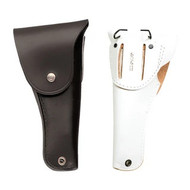
How To Properly Wear A Gun Holster
Oct 21st 2026
Knowing how to wear a holster can prevent common fit and compatibility problems. The right way depends on the holster type, mounting platform, firearm configuration, and uniform requirements.
To wear a holster properly, match the holster to the firearm, belt, and intended setup. Position it safely, use the correct retention, and keep the equipment stable during normal movement.
This guide explains how to choose and wear a holster correctly. It covers position, ride height, cant, belt compatibility, retention, and common setup mistakes.
Start With The Right Holster And Belt Setup
The right holster setup begins with compatible equipment. The holster, firearm, belt, and mounting platform should be designed to work together.
Before choosing the best holster, consider its purpose, configuration, and environment. A duty setup may differ from a ceremonial or concealed carry setup.
Choose The Best Holster For The Intended Use
Choosing the right holster type is the first step to wearing it properly. The holster should match the firearm, intended carry method, belt, and required equipment.
An IWB holster sits inside the waistband, while an OWB holster sits outside the waistband. Their different positions affect how the holster fits, where it sits, and how it works with the belt and clothing.
A duty holster needs a secure mounting platform that supports the setup during movement. A ceremonial or honor guard holster may also need to match the required uniform style and equipment configuration.
For professional and ceremonial applications, Glendale offers duty, thumb break, parade, and honor guard holsters designed for different uniform setups.
Check Holster Configuration And Compatibility
Check the holster configuration before wearing it. The firearm, hand orientation, mounting system, and accessories should match the manufacturer's specifications.
Right-handed and left-handed holsters are designed for different users. Do not assume a right-hand configuration will work properly for a left-handed setup.
The same applies to firearm size and accessories. Some holsters accommodate specific accessories, while others may not. Glendale's thumb break holster is available in right- and left-hand versions.
Use A Proper Belt For The Holster
A quality gun belt helps support a belt-mounted holster. The belt width and attachment method should match the holster or mounting platform.
A belt that lacks proper support or compatibility may cause the holster to shift or sag. A stable setup should keep the holster secure while allowing you to comfortably wear it for extended periods.
The belt should also support the rest of the uniform and required equipment. Don't add an accessory just because it fits the belt.
Establish A Secure Holster Position
Once the equipment is compatible, establish the correct holster position. For many belt-mounted setups, the holster sits on the wearer's designated side.
The exact position should follow the holster design and applicable organizational requirements. Personal preference should not override an approved uniform or equipment configuration.
Keep The Belt-Mounted Holster Stable
A properly worn belt-mounted holster should stay securely attached during normal movement. Excessive movement can indicate an issue with the belt, attachment hardware, or overall holster system.
Check the mounting platform before making repeated adjustments. The holster should not move unnecessarily when you walk, sit, or perform routine activities.
If the setup isn't stable, check compatibility first. Repositioning the holster alone may not solve the underlying problem.
Check Ride Height And Cant
Ride height describes how high or low the holster sits. Cant refers to the holster's angle.
Both can affect how the holster sits against the body and uniform. The correct setting depends on the holster design and approved configuration.
Adjust ride height or cant as per the manufacturer's instructions rather than changing the angle solely for what you prefer.
Your body type, uniform, and equipment can also affect comfort. A setup should remain practical when standing, sitting, and moving normally.
Keep The Holster Aligned With The Uniform
A properly fitted holster should integrate with the belt and uniform. It should not pull the belt out of alignment or interfere with normal movement.
This matters especially when wearing ceremonial or duty equipment for extended periods. The complete setup should remain neat without sacrificing a secure fit.
Check the position after sitting and standing. If the holster repeatedly shifts, inspect the belt and mounting platform.
Check Holster Retention And Trigger Guard Coverage
Holster retention keeps the firearm secure. Different holster types use different retention mechanisms.
Retention may involve a flap, thumb break, friction, or another system. The appropriate mechanism depends on the specific holster configuration.
A properly fitted holster should also provide the trigger guard coverage it's designed to provide. Never assume coverage from appearance alone. Check the manufacturer's specifications for the particular holster.
Flap And Thumb Break Holsters
A flap holster uses a covering flap as part of its design. This configuration is commonly associated with traditional, ceremonial, and honor guard equipment.
Glendale's Police Honor Guard Holster is a flap-style simulated leather holster designed for police honor guard use. It is offered in high-gloss faux Clarino and basketweave styles.
A thumb break holster uses a thumb-operated retention component. Glendale's Thumb Break Holster is offered in several finishes and both hand configurations.
Select these designs based on intended use and manufacturer specifications.
Follow The Holster's Retention Design
Do not remove, bypass, or modify holster retention components unless the manufacturer specifically permits the change.
NIJ's duty holster work addresses retention capability, form and fit, performance, testing, documentation, and labeling for law-enforcement duty holsters. It does not establish one universal retention requirement for every gun holster.
For that reason, choose a retention system based on the specific holster and application rather than applying one standard to every setup.
Set Up A Sam Browne Belt And Holster
A Sam Browne belt is used with certain dress, law-enforcement, and organizational uniform configurations. Its accessories should follow the requirements of the organization using them.
Glendale's Sam Browne selection includes belt-only models, keeper loops, buckles, shoulder straps, and sliding "D" rings.
It also lists left-shoulder-strap configurations for right-hand pistols and right-shoulder-strap configurations for left-hand pistols or right-hand sabers.
Match The Holster Slide And Belt
The holster attachment should match the belt and holster platform. Select a slide or other mounting accessory that matches the belt and holster configuration.
The leather holster slide is one example of an accessory used with compatible holster equipment. The key consideration is compatibility, not simply whether the accessory fits physically.
Keep The Complete Setup Aligned
A Sam Browne setup should remain comfortable for sitting and moving normally. It should also maintain the required uniform appearance.
Accessory placement can vary according to organizational regulations. Always follow the applicable regulation or uniform guidance before changing the approved setup.
Wear The Holster According To Uniform Requirements
A holster can be comfortable and secure while still being incorrect for a particular uniform. For professional and ceremonial purposes, you should therefore check the applicable requirements before wearing the equipment.
Duty And Professional Uniforms
A duty holster should match its intended firearm, belt, mounting platform, and retention system. The complete setup should remain secure during normal duty-related movement.
Different organizations may specify particular equipment, finishes, or configurations. Follow the manufacturer's specifications and the applicable organizational standard.
Honor Guard And Parade Uniforms
Honor guard and parade uniforms often require consistent equipment appearance. Finish, hardware, alignment, and holster style may all contribute to the required presentation.
Glendale's honor guard selection includes purpose-built holsters designed for these applications. The Police honor guard holster is specifically listed for police honor guard use.
Military And JROTC Uniforms
Military personnel and JROTC cadets should follow their applicable uniform manual, regulation, or instructor's guidance and tips.
Do not substitute general online advice for organization-specific requirements. The approved uniform standard determines which accessories, belts, and holster configurations are appropriate.
Common Mistakes When Wearing A Holster
Several simple mistakes can affect comfort, stability, or equipment compatibility. Checking the complete setup is usually more useful than focusing on the holster alone.
- Using An Incompatible Belt: A belt should support the holster and its mounting system. An unsuitable belt can allow movement, sag, or poor alignment.
- Choosing The Wrong Configuration: Confirm the firearm, hand orientation, belt, and mounting platform before wearing the holster. The correct configuration should match the manufacturer's specifications.
- Adjusting The Holster Too Much: Small adjustments can affect ride height, cant, and overall comfort. Avoid changing the setup repeatedly without checking why it is moving.
- Ignoring Your Normal Movement: A holster can feel secure while standing but shift when you sit or move. Test the overall fit through normal movements before relying on the setup.
- Ignoring Damaged Equipment: Inspect the holster, belt, hardware, and retention mechanisms for visible damage. Do not ignore worn stitching, damaged attachment points, or loose hardware.
- Choosing Appearance Over Function: A polished uniform matters, but appearance should not replace choosing secure equipment. The holster should support the intended purpose and approved uniform configuration.
Complete A Final Holster Inspection
Before you wear a holster, check the full system, not just the holster.
Confirm that:
- The firearm and holster are compatible.
- You use the correct right- or left-hand configuration.
- The belt matches the mounting platform.
- The holster sits in the required position.
- Ride height and cant match the approved setup.
- The holster remains stable during normal movement.
- Retention components are intact.
- Intended trigger guard coverage is provided.
- The belt and uniform remain properly aligned.
- Hardware shows no obvious damage.
- Required accessories are correctly configured.
- The setup follows applicable organizational requirements.
If any part does not match the manufacturer's instructions or required uniform standard, correct the issue before use.
Final Takeaway
The right way to wear a holster starts with compatibility. Match the gun holster, firearm, belt, mounting platform, retention system, and uniform requirements before making adjustments.
Keep the holster stable, check its ride height and cant, and inspect the complete setup before use. The goal is a reliable and durable configuration that fits its intended purpose without forcing one holster type onto every application.
For professional, ceremonial, and honor guard equipment, Glendale Parade Store offers a holster collection that includes purpose-built options for different configurations.
Frequently Asked Questions
Can You Wear A Holster On Any Belt?
No. The belt should be compatible with the holster and its mounting system. Check the manufacturer's specifications for belt width, attachment method, and holster configuration.
What Is The Best Position For A Gun Holster?
No single position can be stated as the best one for every holster. Position depends on the holster type, belt system, firearm configuration, intended use, and applicable requirements.
Are Duty Holsters Different From Concealed Carry Holsters?
Yes. A duty holster can differ from a concealed carry holster in its mounting platform, retention, construction, and intended environment.
Are Leather Holsters Suitable For Uniform Wear?
Leather can suit certain uniform and ceremonial applications. The correct material, finish, construction, and accessory configuration depend on the intended uniform.
Can Holster Placement Vary By Organization?
Yes. Holster position and accessory placement can vary by organization and uniform. Military, law-enforcement, honor guard, and JROTC users should follow the applicable regulation, manual, policy, or organizational guidance.